


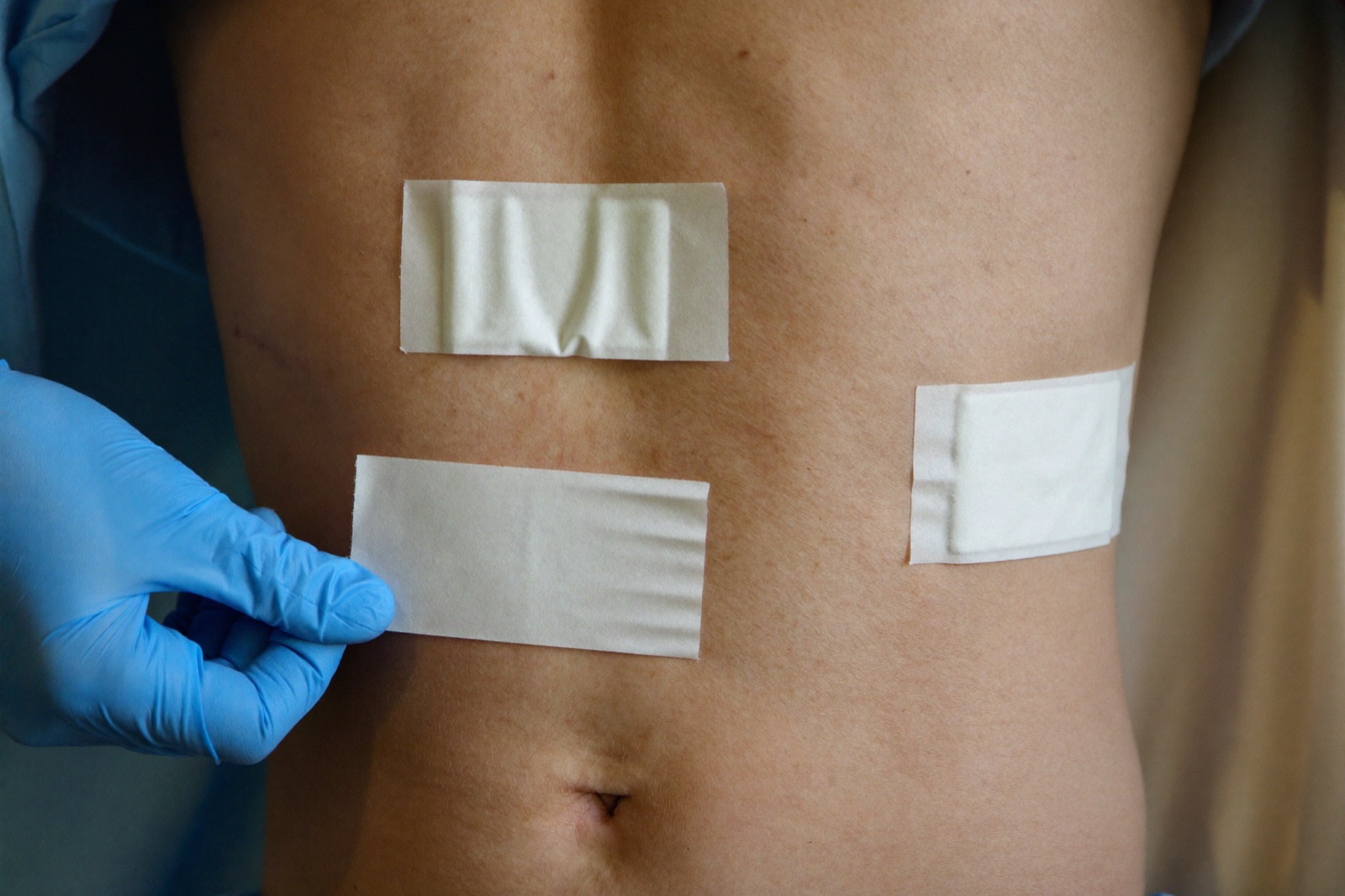
When can you shower after surgery?
Your surgeon will tell you. As a guide, MedlinePlus says showering is usually fine after 24 hours, and NICE guideline NG125 says patients may shower safely 48 hours after surgery. If the skin was closed with stitches, staples or glue, after laparoscopic gallbladder removal a shower is often allowed the next day.
- Showers are better than baths: soaking the wound could make it reopen or become infected.
- Do not use very hot water, as it can make the wounds bleed.
- Do not use a bathtub or hot tub, or go swimming, until your surgeon says it is OK.
How do you clean and dry the wound?
- Wash your hands with soap and water before touching the wound or dressing.
- If your surgeon approves, gently rinse the wound with water as you shower, without rubbing or scrubbing.
- Pat the area around it dry with a clean towel and let the wound air dry.
- Do not apply antibiotic creams, lotions, powders, cosmetics or other products unless you were told to.
- Change the dressing as instructed; some dressings are waterproof.
- Leave adhesive strips (Steri-Strips) until they fall off on their own. Do not pull at stitches: non-dissolvable ones are removed by the team.
What is normal to see in the wound?
In the first days, bruising around the incisions is normal and goes away on its own, as is some redness if it stays at the edge of the wound. Soreness should ease day by day.
What are the signs of a wound infection?
A surgical site infection is an infection in the part of the body where the surgery took place. Contact the team if you notice:
- More redness or more pain around the incision.
- Swelling or bleeding.
- The wound looks larger, deeper, dried out or dark.
- Drainage that increases or becomes thick, cloudy, tan, green or yellow, or smells bad.
- A temperature above 37.7 °C (100 °F) for more than 4 hours.
What helps prevent an infection?
- Do not smoke: patients who smoke get more infections.
- Do not shave the surgical area with a razor before surgery; if hair needs removing, the team does it the right way.
- Family and visitors should not touch the wound or dressing, and should clean their hands before and after visiting.
If you see a sign of infection, message the office on WhatsApp at 998 550 0002 so it can be assessed. For heavy bleeding, fever with feeling very unwell, or difficulty breathing, go to the emergency department at Hospital Galenia, switchboard 998 891 5200, or call 911.
This guide is for orientation. It does not replace a consultation.
Frequently asked questions
Can I go in the pool or the sea after surgery?
Not until your surgeon says so. Soaking the wound could make it reopen or become infected; until then, showers only.
Should I put antibiotic ointment on the wound?
Only if you were told to. Closed wounds should not have creams, lotions or powders unless the surgeon recommends them.
Can I take off the adhesive strips?
No. Steri-Strip-type strips stay on until they fall off by themselves; do not try to wash them off.
What should I do if the wound is leaking fluid?
If the drainage increases, becomes thick, green or yellow, or smells bad, tell the team the same day: it may be an infection.
Sources
- Surgical wound care - closed
- Gallbladder removal - laparoscopic - discharge
- Surgical site infections: prevention and treatment (NG125)
- Surgical Site Infection Basics
- Laparoscopy (keyhole surgery)
This guide is for orientation and does not replace a medical consultation. In an emergency, call 911.