


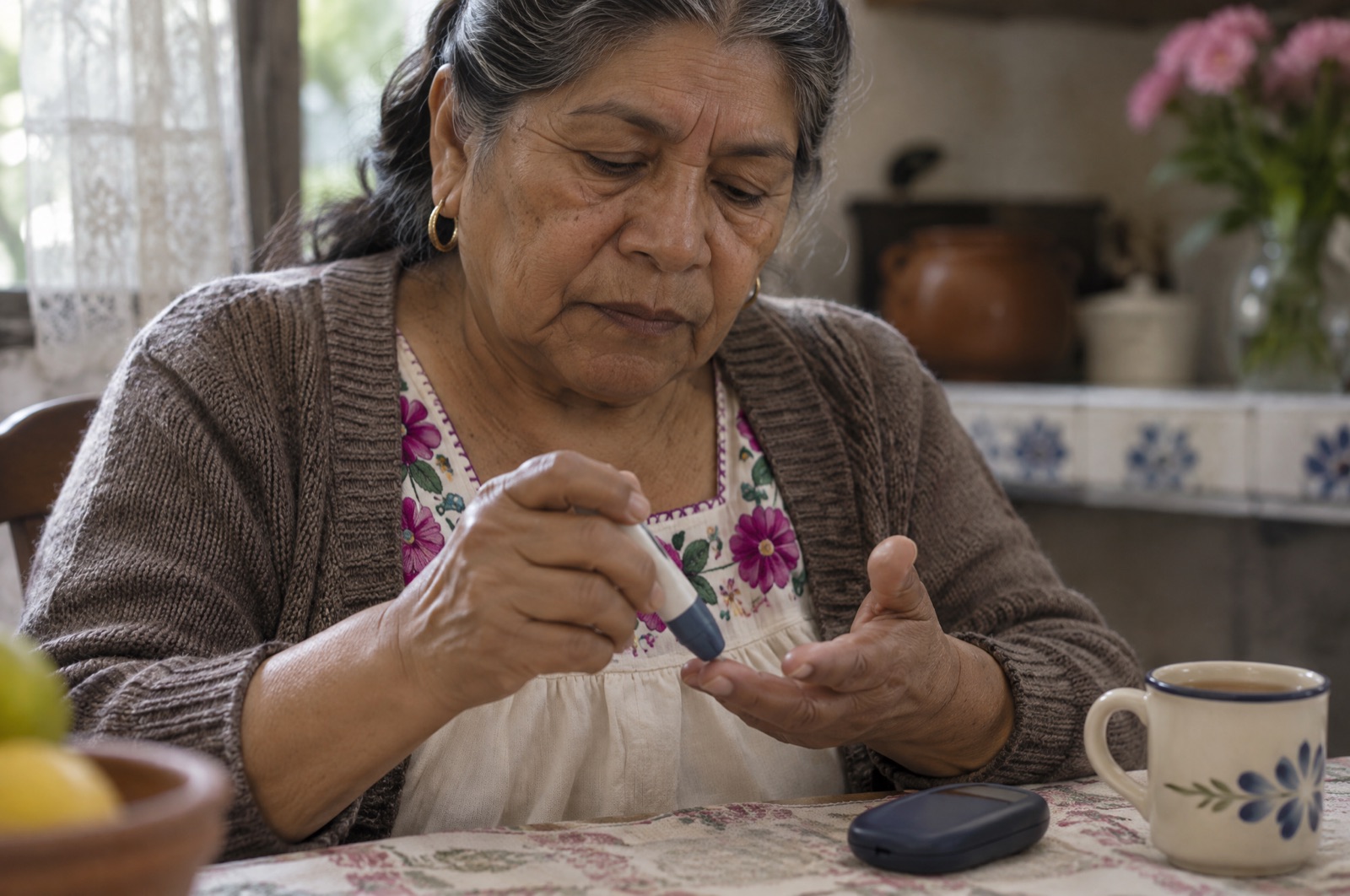
Why does blood sugar control matter before surgery?
According to MedlinePlus, diabetes raises the risk of infection after surgery, slow healing, fluid, electrolyte and kidney problems, and heart problems. Good control in the days and weeks beforehand lowers those risks.
In its 2026 Standards, the American Diabetes Association (ADA) recommends an A1C below 8% within the three months before planned surgery, weighing risk and benefit for each person. MedlinePlus also warns that some surgeons postpone the operation if your blood sugar is high when you arrive.
What should you bring and mention at the assessment?
- All your medicines. Tablets, insulin and injectables, including weekly ones.
- Your type of diabetes. Whether it is type 1 or type 2; the instructions differ.
- Complications. Heart, kidney or eye problems, or loss of feeling in your feet.
- Recent tests. Including your A1C, if you have one.
- Whether you smoke. MedlinePlus recommends stopping tobacco, ideally six weeks before; see quitting smoking before surgery.
What happens to your diabetes medicines?
Instructions are individual and given in writing. Do not stop a medicine or change a dose on your own. As a guide, the ADA describes:
- Metformin and other oral medicines: usually held on the day of surgery.
- SGLT2 inhibitors (the "flozins"): stopped 3 to 4 days before planned surgery. Always say if you take one.
- GLP-1 agonists and similar drugs: the ADA calls for a personalized plan, agreed with the anesthesia team.
- Insulin: the evening and morning doses before surgery are adjusted; ask which applies to you.
What is the day of surgery like?
If you use insulin, MedlinePlus suggests asking for an early slot to shorten fasting. The ADA recommends monitoring and keeping blood sugar between 100 and 180 mg/dL before, during and after surgery, checking it at least every 2 to 4 hours while you are fasting, and using insulin as the only glucose-lowering medicine in that period.
Tell the staff right away if you notice signs of low blood sugar: sweating, shaking, hunger, a fast heartbeat, blurred vision or confusion. MedlinePlus defines low blood sugar as below 70 mg/dL.
What should you watch during recovery?
Blood sugar can be harder to control after surgery because of pain, vomiting, stress, eating less or moving less. Check it as often as instructed and stay in touch with the doctor who manages your diabetes.
Watch the wound: fever, redness, warmth, swelling, more pain or discharge are signs of infection. If low blood sugar does not improve, or one of those signs appears, do not wait for your appointment. If it happens in Cancún, go to the emergency department at Hospital Galenia (switchboard 998 891 5200) or call 911.
This guide is for orientation. It does not replace a consultation.
Frequently asked questions
Can surgery be postponed because my blood sugar is high?
Yes. MedlinePlus warns that some surgeons postpone the operation if blood sugar is high on arrival. The ADA recommends an A1C below 8% before planned surgery when feasible.
Do I take my diabetes tablets on the day of surgery?
Follow only the written instructions you are given. According to the ADA, metformin and other oral medicines are usually held that day, and flozins 3 to 4 days before.
What if I feel low blood sugar symptoms while fasting?
Tell the staff at once if you are in hospital. At home, follow your doctor's plan; if symptoms do not improve, get urgent care and do not drive yourself.
Does diabetes make recovery longer?
It can. MedlinePlus notes that people with diabetes are likely to heal more slowly and often stay in hospital longer.
Sources
- Preparing for surgery when you have diabetes
- 16. Diabetes Care in the Hospital: Standards of Care in Diabetes—2026
- Low blood sugar
This guide is for orientation and does not replace a medical consultation. In an emergency, call 911.