


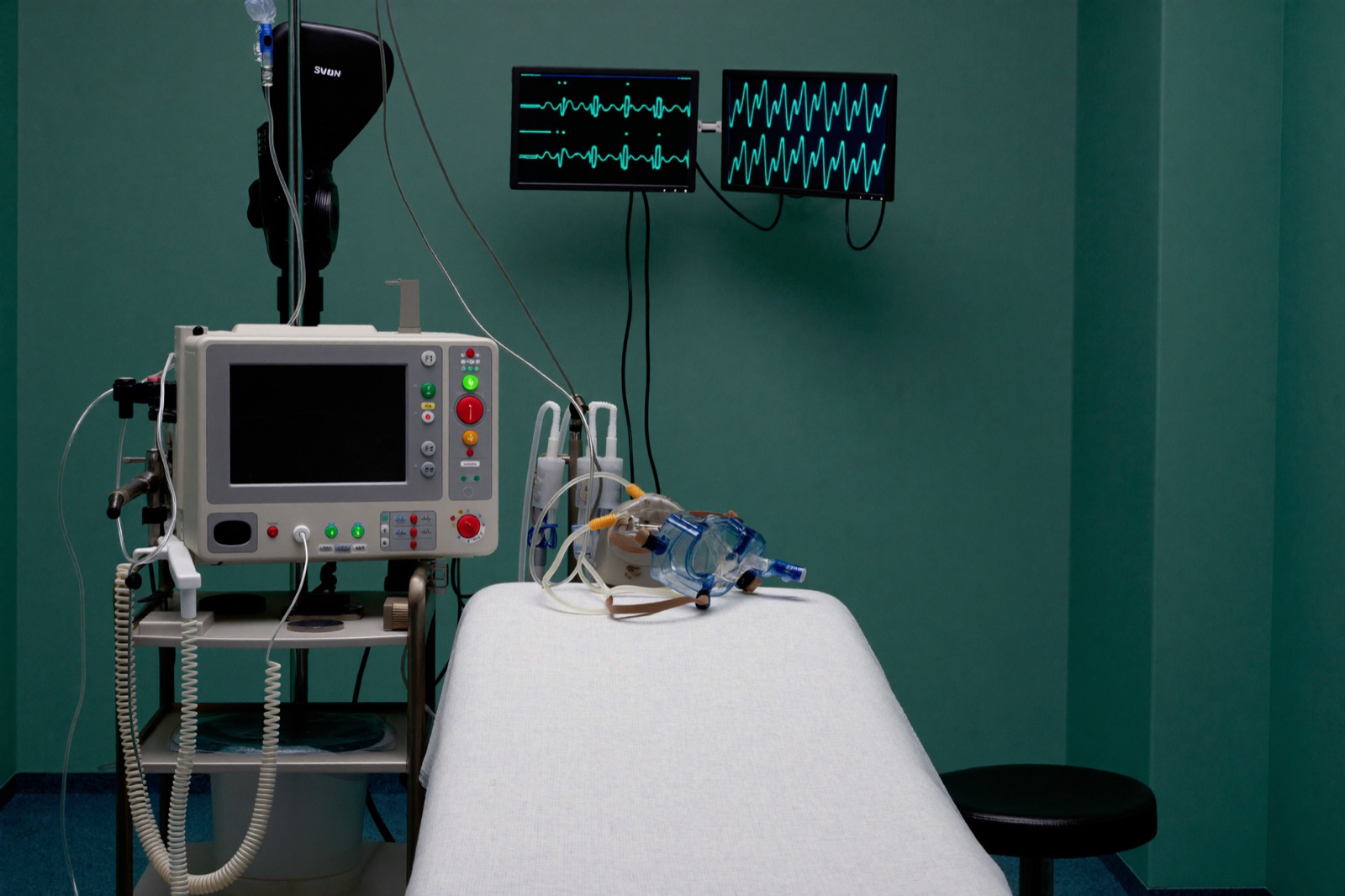
What is general anesthesia and who gives it?
It is given through a vein, as a gas you breathe in, or both. An anesthesiologist gives it and, throughout the operation, monitors your heart rate, blood pressure and breathing to keep them stable.
While you are asleep, a tube may be placed in your windpipe to help you breathe and protect your lungs. This is the type of anesthesia used for abdominal operations such as gallbladder removal.
What is reviewed at the pre-anesthesia assessment?
Before the day of surgery, the anesthesia team reviews your health to choose the safest plan. It helps to bring, in writing:
- Long-term conditions, allergies and previous operations.
- A full list of your medicines, including over-the-counter ones, vitamins and supplements. Some are adjusted before surgery: see medicines before surgery.
- Tobacco, alcohol or drug use, because they change how you react to anesthesia and how much you need.
- Snoring or sleep apnea.
- Any past reaction to anesthesia, in you or in your family.
- Whether you could be pregnant.
At that same assessment you are told how long to fast and which medicines to take on the day.
What are the risks of general anesthesia?
Most side effects are minor and temporary: nausea, vomiting, chills, a sore throat from the breathing tube and, in some people, confusion that lasts a few days.
Serious complications are rare. They include a severe allergic reaction, breathing problems, damage to the teeth or vocal cords, malignant hyperthermia (an inherited reaction that causes a rapid fever and muscle contractions) and longer-lasting memory problems, which are more common in older adults. Waking up during surgery is very uncommon.
Risk can be higher with heart, lung (asthma, COPD) or kidney disease, diabetes, high blood pressure, obesity, sleep apnea, smoking, or two or more alcoholic drinks a day. That is why these details matter at the assessment.
What is waking up like?
When the operation ends, the anesthesia team reverses the medicines and monitors your breathing, circulation and oxygen in the recovery area. Some people wake up feeling fine; others feel tired or groggy and have nausea, a dry mouth, a sore throat, chills or restlessness. These usually pass within a few hours.
The effects can last around 24 hours. For at least that long you should not drive, use machinery, drink alcohol or make important decisions. If you go home the same day, an adult needs to take you.
When should you ask for help after anesthesia?
If a side effect worries you or does not improve, tell the team that operated on you. At office 501, Tower B, Hospital Galenia, the same surgeon who assesses you also operates, so questions about the surgery go to her.
Difficulty breathing, chest pain or feeling very unwell cannot wait for an appointment: go to the emergency department at Hospital Galenia, switchboard 998 891 5200, or call 911.
This guide is for orientation. It does not replace a consultation.
Frequently asked questions
Can I wake up during surgery?
It is very uncommon. The anesthesia team monitors you throughout and adjusts the medicines; if it worries you, raise it at the pre-anesthesia assessment.
Can I drive after general anesthesia?
No. For at least 24 hours you should not drive or use machinery, because your reflexes and judgment may still be affected. An adult needs to take you home.
Why is my throat sore when I wake up?
It is usually from the breathing tube used during surgery. It is a common complaint and generally improves within hours.
Should I mention a relative who had problems with anesthesia?
Yes. Some reactions, such as malignant hyperthermia, run in families, and knowing about them allows a safer anesthetic plan.
Sources
- General Anesthesia
- Anesthesia Risk Assessment
- Preparing for Surgery: Checklist
- General anesthesia
- General anaesthesia
This guide is for orientation and does not replace a medical consultation. In an emergency, call 911.