


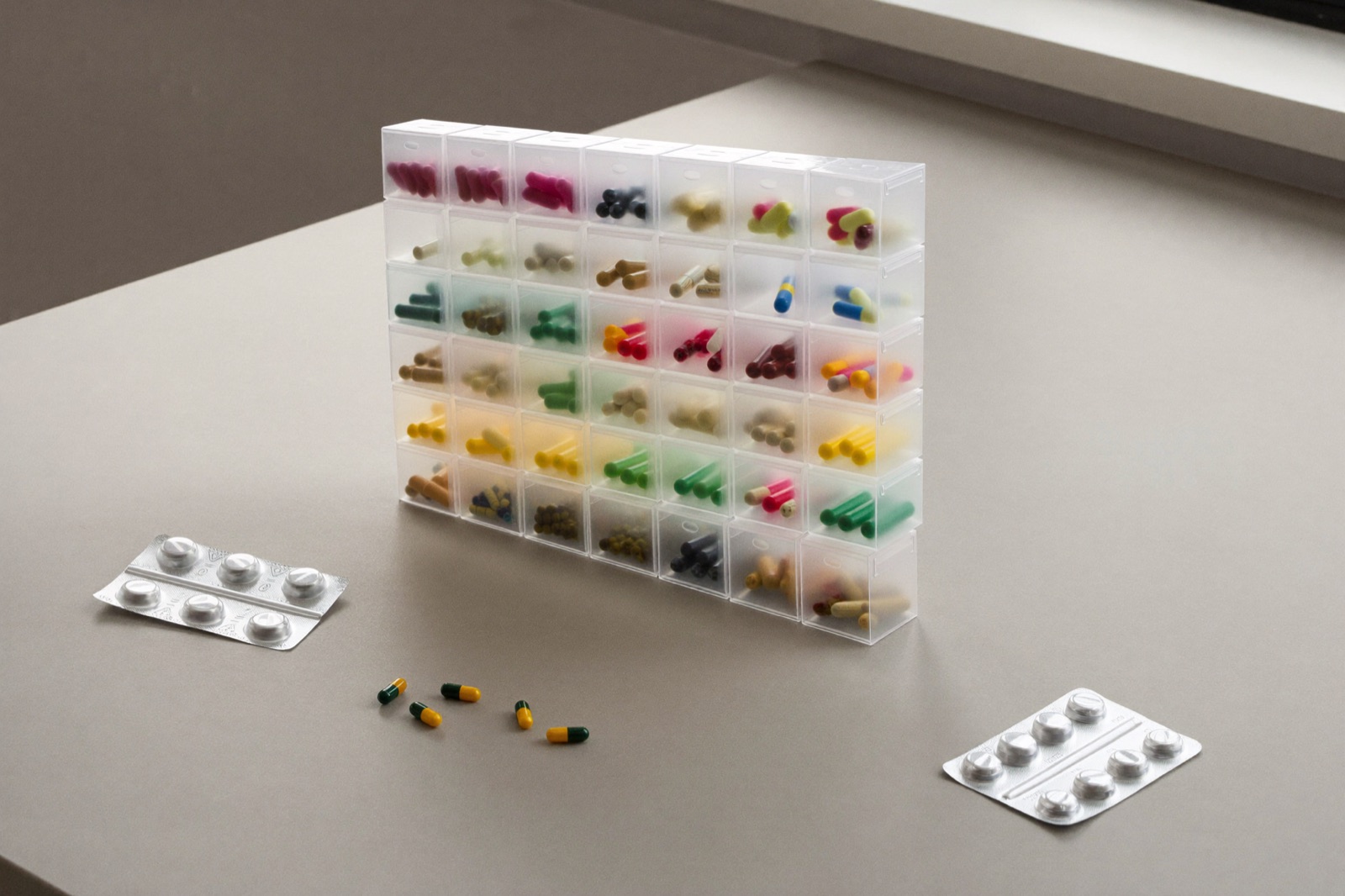
Why does what you take matter before surgery?
Some medicines increase the risk of bleeding, others change how you respond to anesthesia, and others, such as diabetes medicines, need dose changes on the day of surgery. That is why the team needs to know everything you take: prescription and over-the-counter medicines, vitamins, minerals, herbs and supplements.
Ask at the assessment which medicines to keep taking, including on the morning of surgery, and tell your other doctors, as they may also suggest changes.
What about blood thinners and aspirin?
The team may ask you to stop some medicines that raise the risk of bleeding before surgery. When to stop each one depends on the medicine and on your case, and the team gives it to you in writing. They include aspirin and other anti-inflammatories such as ibuprofen, vitamin E, and blood thinners such as warfarin, dabigatran, rivaroxaban, apixaban and clopidogrel.
The decision is individual: these medicines are taken to prevent clots, and stopping them without advice carries its own risks. If you have had a heart attack or have a stent, ask your cardiologist whether it is safe to stop aspirin; never stop it without talking to them first.
What if I have diabetes?
- Metformin: ask whether and when to stop it.
- Other tablets: follow the instructions you are given for before surgery.
- Insulin: ask what dose to take the night before and on the day. During the operation, the anesthesia team can give insulin if needed.
Good glucose control in the weeks before matters: some surgeons postpone the operation if blood sugar is high.
Do you need to stop Ozempic, Wegovy or Mounjaro before surgery?
GLP-1 receptor agonists (such as semaglutide and tirzepatide) slow stomach emptying. If food is still in the stomach during general anesthesia or deep sedation, it can get into the lungs, which is dangerous.
Even so, the 2024 multi-society guidance (the ASA, gastroenterology, bariatric surgery societies and SAGES) says that most people can keep taking them before planned surgery. Risk is higher in these cases:
- During the dose-escalation phase, which usually lasts four to eight weeks: it is best to wait until it ends.
- With nausea, vomiting, constipation, abdominal pain or trouble breathing: planned surgery waits until these have gone.
- On a higher-than-usual dose: a liquid diet for the 24 hours before is advised.
The anesthesia team may ask you to avoid solid food for 24 hours, with clear liquids until two hours before, or check with ultrasound whether your stomach is empty. Stopping the drug can also raise blood sugar, so the decision is shared between you, the anesthesiologist, the surgeon and the doctor who prescribed it. In emergency surgery, tell the team you take it.
What about vitamins, herbs and supplements?
Put them on the list even if they seem natural or harmless: some, such as vitamin E, increase bleeding. On the day of surgery, take only what the team has approved.
At office 501, Hospital Galenia, Dr. Vázquez goes through the list with you at the assessment and tells you what to adjust. Ask for the instructions in writing so you do not have to rely on memory.
This guide is for orientation. It does not replace a consultation.
Frequently asked questions
Can I stop aspirin myself a week before?
No. Talk to your doctor first; if you have a stent or have had a heart attack, the decision should be made with your cardiologist.
Do I have to stop Ozempic a week before surgery?
Not necessarily. Under the 2024 multi-society guidance, most people can continue; depending on your dose and symptoms, the team may ask for a liquid diet the day before or postpone surgery.
Do I take my insulin on the day of surgery?
Ask at the assessment what dose to take the night before and on the morning of surgery. Do not improvise: fasting changes what you need.
What if I forgot to mention a medicine?
Tell the team as soon as you remember and, at the latest, when you are admitted, before going into the operating room.
Sources
- Drugs for Diabetes or Weight Loss: What To Know Before Surgery
- New multi-society GLP-1 guidance
- Multisociety clinical practice guidance for the safe use of glucagon-like peptide-1 receptor agonists in the perioperative period
- Getting yourself healthy before surgery
- Aspirin and heart disease
- Preparing for surgery when you have diabetes
This guide is for orientation and does not replace a medical consultation. In an emergency, call 911.