


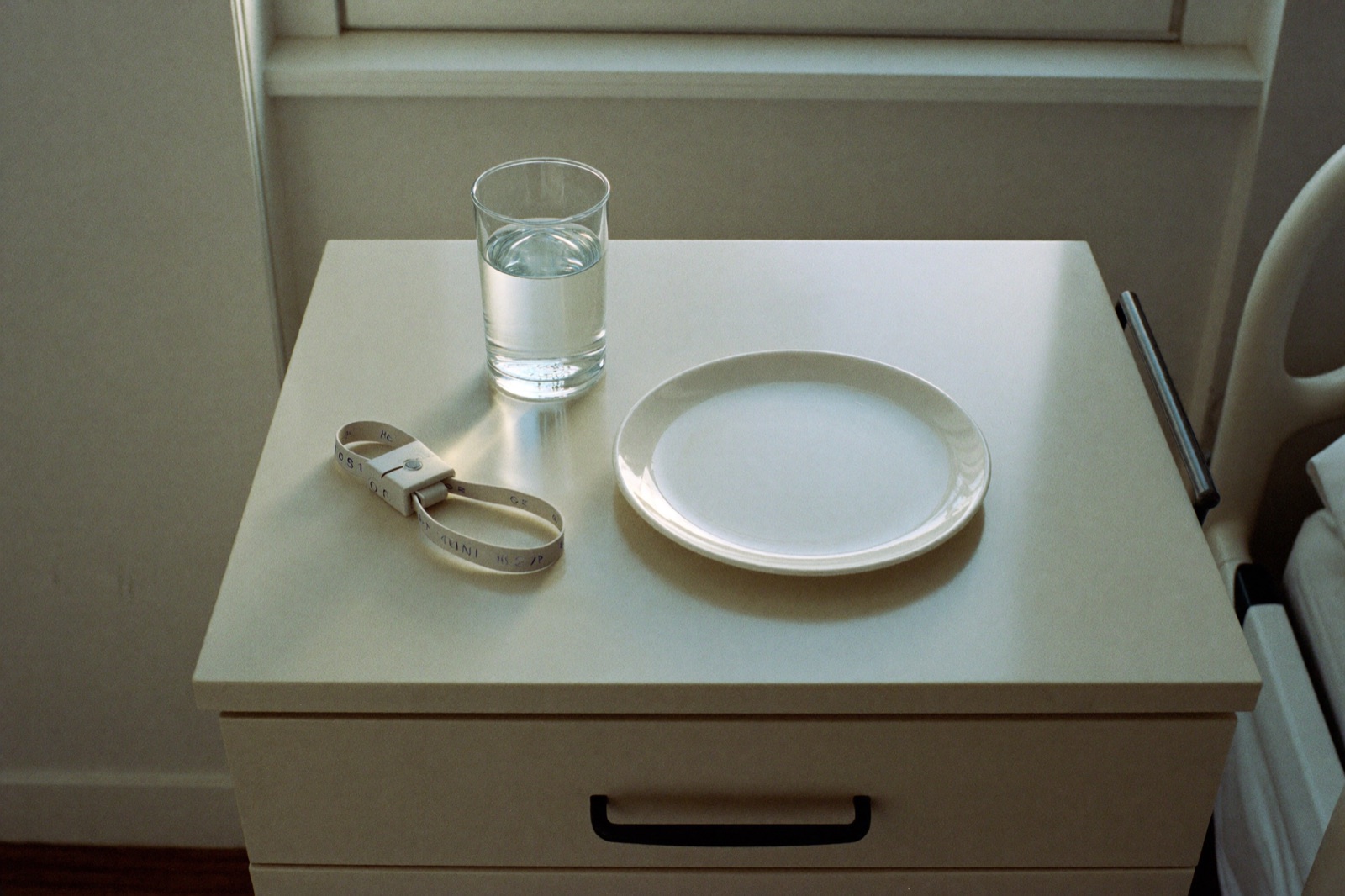
Why do you need to fast before anesthesia?
If food is still in the stomach during general anesthesia or deep sedation, it can get into the lungs (pulmonary aspiration), which is a dangerous complication. The Mexican IMSS clinical guideline names fasting as the way to lower that risk, and the American Society of Anesthesiologists (ASA) guidelines exist for exactly that reason.
How many hours of fasting are required?
- ASA guideline (healthy adults, planned surgery): a light meal up to 6 hours before and clear liquids up to 2 hours before. A review in the Cleveland Clinic Journal of Medicine prefers this approach to a “nothing after midnight” order.
- IMSS clinical guideline (Mexico): at least 8 to 9 hours without food and at least 2 hours without clear liquids.
- Many hospitals: still ask for nothing to eat or drink after midnight, sometimes allowing liquids up to 2 hours before.
The numbers differ between guidelines and hospitals. What counts for you is the instruction your team gives you, which takes into account your health, your medicines and the time of your operation.
What counts as a clear liquid?
For the ASA, clear liquids include water, fruit juices without pulp and carbohydrate-containing drinks.
If you are unsure whether a drink counts as a clear liquid, ask beforehand; if in doubt, leave it out during the fasting hours.
Is fasting longer better?
No. In a 2025 statement on a study in children, the ASA warned that going without clear liquids for longer than recommended can cause dehydration and increase thirst, anxiety, pain, nausea and vomiting. In adults, the Cleveland Clinic Journal of Medicine review notes that prolonged fasting makes it harder to stay properly hydrated. The goal is an empty stomach, not as many hours as possible.
What about medicines, or if you ate something you shouldn’t have?
If you take a GLP-1 agonist (Ozempic, Wegovy, Mounjaro and similar), your fast may be different: the anesthesia team may ask you to avoid solid food for the 24 hours before, with clear liquids until two hours before. Take other morning medicines only if the team has approved them; see medicines before surgery.
If you ate or drank outside your instructions, say so when you arrive at the hospital, even if it was only a little. With that information the team decides whether to operate as planned or wait.
This guide is for orientation. It does not replace a consultation.
Frequently asked questions
Can I drink water on the morning of surgery?
Often yes: the ASA guideline allows clear liquids up to 2 hours before in healthy adults. Follow your team’s instructions, as some protocols ask for a full fast from midnight.
Why was I told to fast from midnight if the guideline says less?
Because several hospitals and guidelines, such as the IMSS one, use longer or simpler time frames. Ask if you have questions, but do not shorten the fast on your own.
Is fasting different if I take Ozempic?
It can be. With GLP-1 agonists, the anesthesia team may ask you to avoid solid food for the 24 hours before; mention it at the assessment.
What if I ate something by mistake?
Tell the team before you go into the operating room. Do not hide it: with that information they decide whether it is safe to operate as planned.
Sources
- Practice Guidelines for Preoperative Fasting and the Use of Pharmacologic Agents to Reduce the Risk of Pulmonary Aspiration
- Does my hospitalized patient need an NPO-after-midnight order preoperatively?
- Children fast from clear liquids much longer before surgery than guidelines recommend
- Valoración perioperatoria en cirugía no cardiaca en el adulto. Guía de referencia rápida (IMSS-455-11)
- The day of your surgery - adult
- Drugs for Diabetes or Weight Loss: What To Know Before Surgery
This guide is for orientation and does not replace a medical consultation. In an emergency, call 911.