


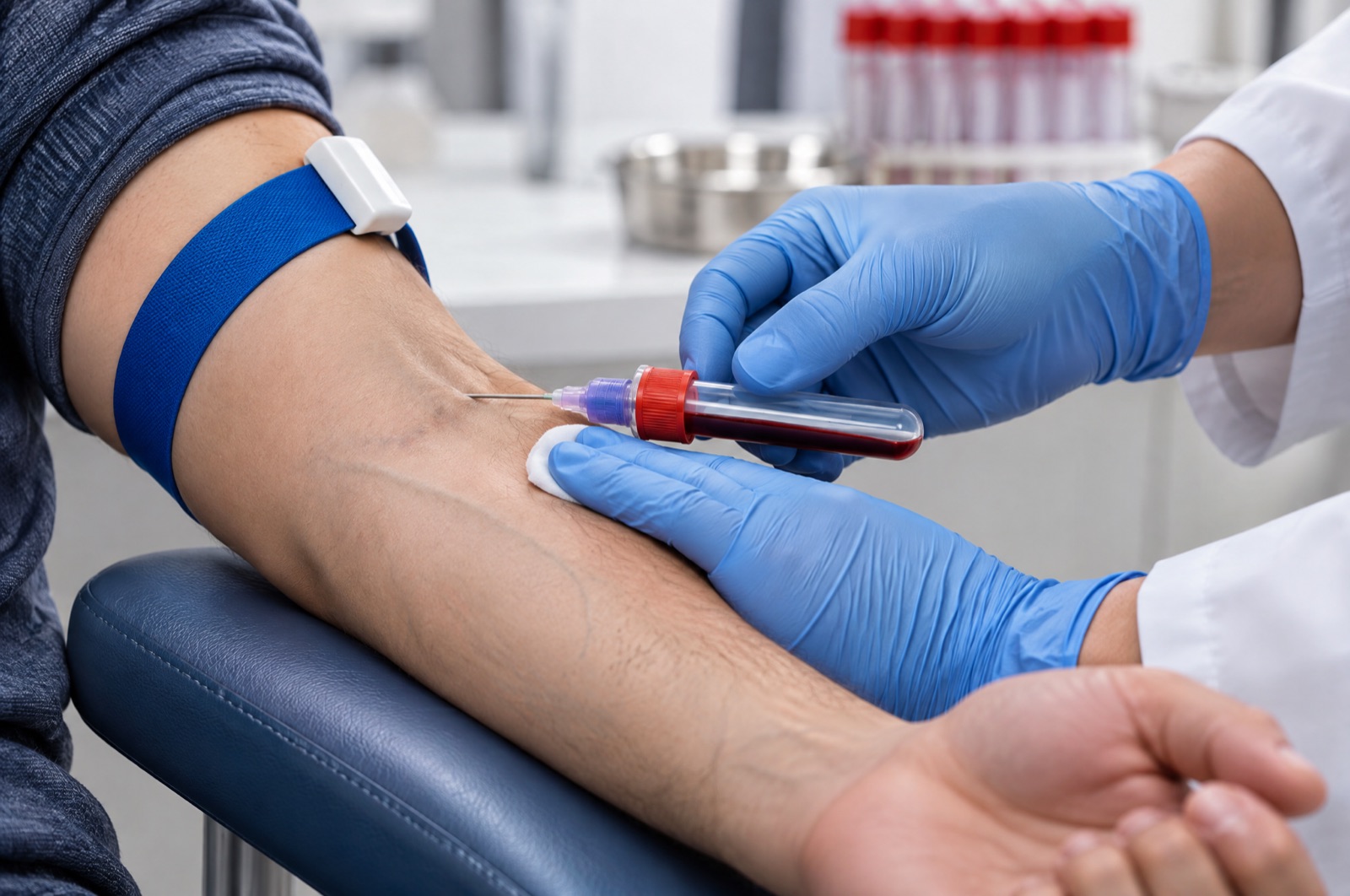
What are pre-surgery tests for?
They look for, or measure, health problems that would change the anesthesia or surgical plan. The Mexican Social Security Institute (IMSS) clinical guideline on perioperative assessment considers the type of surgery, your clinical condition, anesthetic risk, other illnesses and cardiac risk.
A test is only useful if its result could change a decision. That is why tests are not ordered “just in case”.
Which tests are most often requested?
- Blood tests: a complete blood count, blood chemistry including glucose and kidney function, and clotting tests.
- Urinalysis.
- Electrocardiogram (ECG), to check the heart.
- Chest X-ray.
Depending on your age, health and operation, others may be added, such as lung function tests, a stress test or imaging, and sometimes a visit to cardiology, endocrinology or another specialty.
Why doesn’t everyone need the same tests?
Guidelines combine two things: your health status, on the American Society of Anesthesiologists scale (ASA 1, a healthy person; ASA 2, mild systemic disease; ASA 3, severe systemic disease), and the size of the operation.
The UK’s NICE guideline NG45 does not recommend a routine blood count, clotting tests, kidney function or ECG for ASA 1 patients having minor or intermediate surgery. For intermediate surgery, it suggests considering an ECG for ASA 2 patients with cardiovascular or kidney disease or diabetes, and advises against routine chest X-rays and urine dipstick tests. People with diabetes are offered an HbA1c test if they have not had one in the last three months.
Along the same lines, the American Society of Anesthesiologists advises against baseline laboratory tests in people without significant systemic disease (ASA 1 or 2) having low-risk surgery.
How is it done in Mexico?
The IMSS clinical guideline says tests are chosen according to the grade of surgery, the ASA anesthetic risk and other illnesses. For conventional surgery it treats hemoglobin or hematocrit and clotting times as essential, and in people over 60 it adds glucose, urea, creatinine, a chest X-ray and an ECG.
The same guideline treats results as valid for 90 days, as long as nothing happens that could change them. Guidelines do not agree on everything, which is why the final list is tailored to each person at the assessment.
What should you bring to the assessment?
- Any recent tests you already have, with their dates, including previous ECGs.
- Your list of medicines: it also affects which tests are ordered.
- Diagnoses made by other doctors.
If there is any chance of pregnancy, you are asked before surgery and, if in doubt, a test is done with your consent. At office 501, Hospital Galenia, Dr. Vázquez reviews what you bring and explains what is missing and why.
This guide is for orientation. It does not replace a consultation.
Frequently asked questions
Are tests from six months ago still valid?
It depends. The IMSS guideline treats pre-surgery tests as valid for 90 days if nothing in your health has changed; whether to repeat them is decided at the assessment.
Do I always need an ECG before surgery?
No. It depends on your age, any heart or kidney disease or diabetes, and the type of surgery.
Is a chest X-ray needed before any operation?
Not routinely. It is ordered when your age, a lung or heart condition or another finding at the assessment justifies it.
Why am I asked whether I could be pregnant?
Because anesthesia and surgery can affect a pregnancy. If there is any doubt, a test is done with your consent before the operation.
Sources
- Routine preoperative tests for elective surgery (NG45)
- Choosing Wisely: five tests and treatments to question in anesthesiology
- Valoración perioperatoria en cirugía no cardiaca en el adulto. Guía de referencia rápida (IMSS-455-11)
- Tests and visits before surgery
This guide is for orientation and does not replace a medical consultation. In an emergency, call 911.